
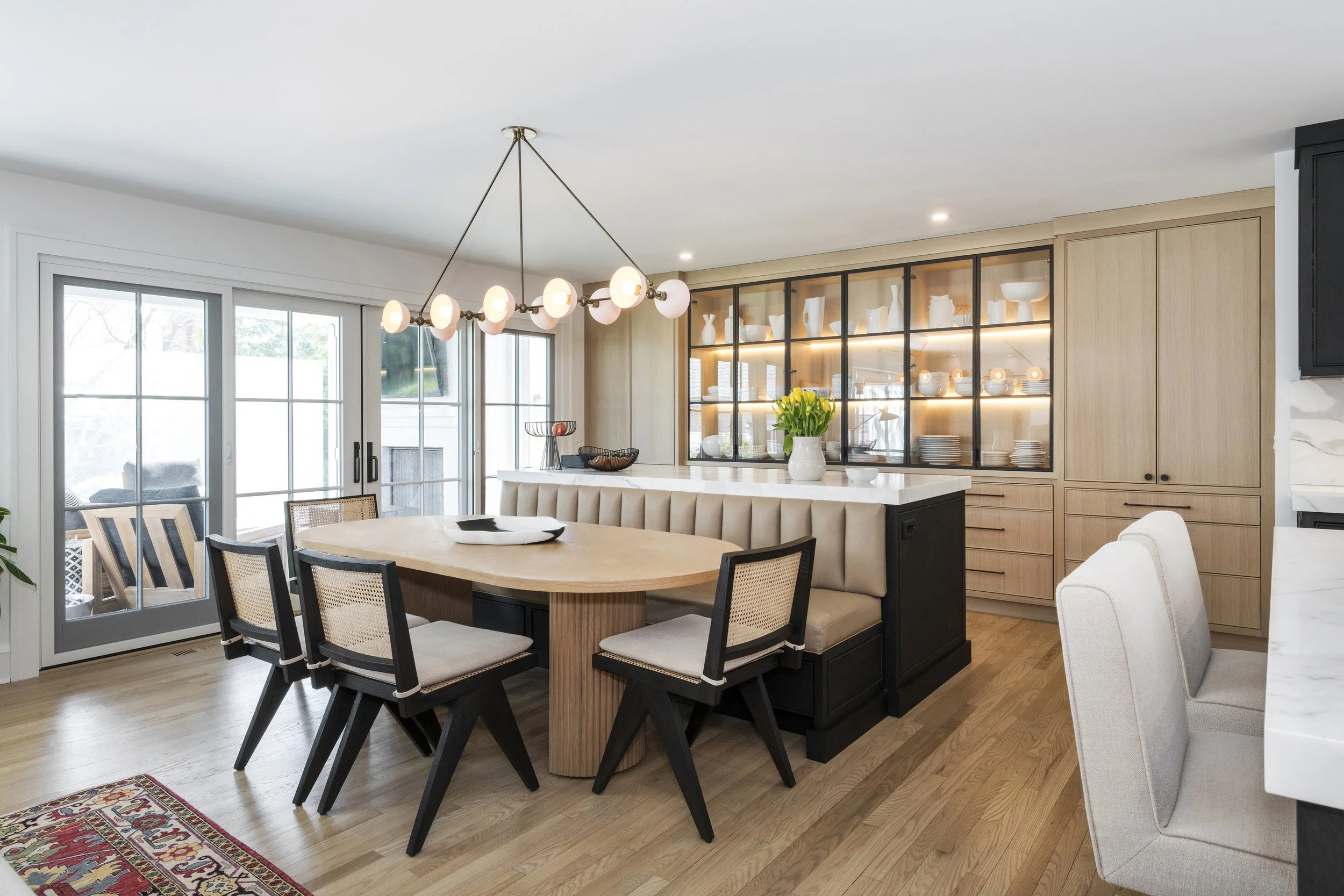
The Modern Traditionalist, a whole-home renovation featuring custom cabinetry, refined material selections, and carefully preserved architectural details.
Article Summary
A successful whole-home renovation starts long before construction begins. Ducy Design works with homeowners, architects, and contractors from the early planning stages through installation, helping coordinate the interior architecture, materials, furnishings, and details that bring the vision together. Knowing when to involve an interior designer can help prevent costly changes and create a more seamless renovation experience.
Start Planning Before Construction Begins
A whole-home renovation is a major investment. Before the walls come down and construction begins, there are countless decisions to make, and one of the biggest is deciding who should be involved in the process.
Do you need an architect? An interior designer? Both? And what exactly does an interior designer do once construction starts?
The answer depends on the project, but one thing is consistent: the earlier an interior designer is involved, the more opportunity there is to make thoughtful decisions before they become expensive changes in the field.
At Ducy Design, that early involvement is an important part of the home renovation design process.
When Should You Hire an Interior Designer?
Ideally, before the plans are finalized. In fact, we recommend reaching out to Ducy Design six months to a year before construction is expected to begin. That gives our team time to work through the full design process, develop the details and help you make informed decisions before committing to a contractor or builder.
For a new construction project, our team typically joins when the architect is developing schematic plans. This gives our design team an opportunity to review the layout, provide feedback, and think through the interior before construction begins.
“We want to be involved while there’s still room to make changes,” says Kristen Hennie, Founder and Principal Designer of Ducy Design. “It’s much easier to move a wall on paper than it is once the drywall is up.”
For a major renovation, homeowners can bring us in while they’re still considering what they want to change. Stamped architectural drawings aren’t generally required for a renovation, and we can often manage the project without an architect.
An architect becomes important when the scope includes an addition or significant structural changes that require architectural expertise.
The takeaway is simple: don’t wait until construction starts to call the designer. Decisions about space planning, lighting, cabinetry, materials, and furnishings can affect one another, so having the design team involved early helps prevent costly revisions later.
Do You Need Both an Architect and an Interior Designer?
Not necessarily. It depends on the scope of the project.
For a new build or a major renovation involving an addition, homeowners will generally need both an architect and an interior designer. Their roles are different but highly connected.
The architect focuses on the building itself: its structure, exterior, floor plan and overall architectural framework.
The interior designer focuses on the environment within that framework. That includes how rooms function, how people move through them, the materials and finishes, lighting, cabinetry and, in a full-service design process, the furnishings that ultimately complete the home.
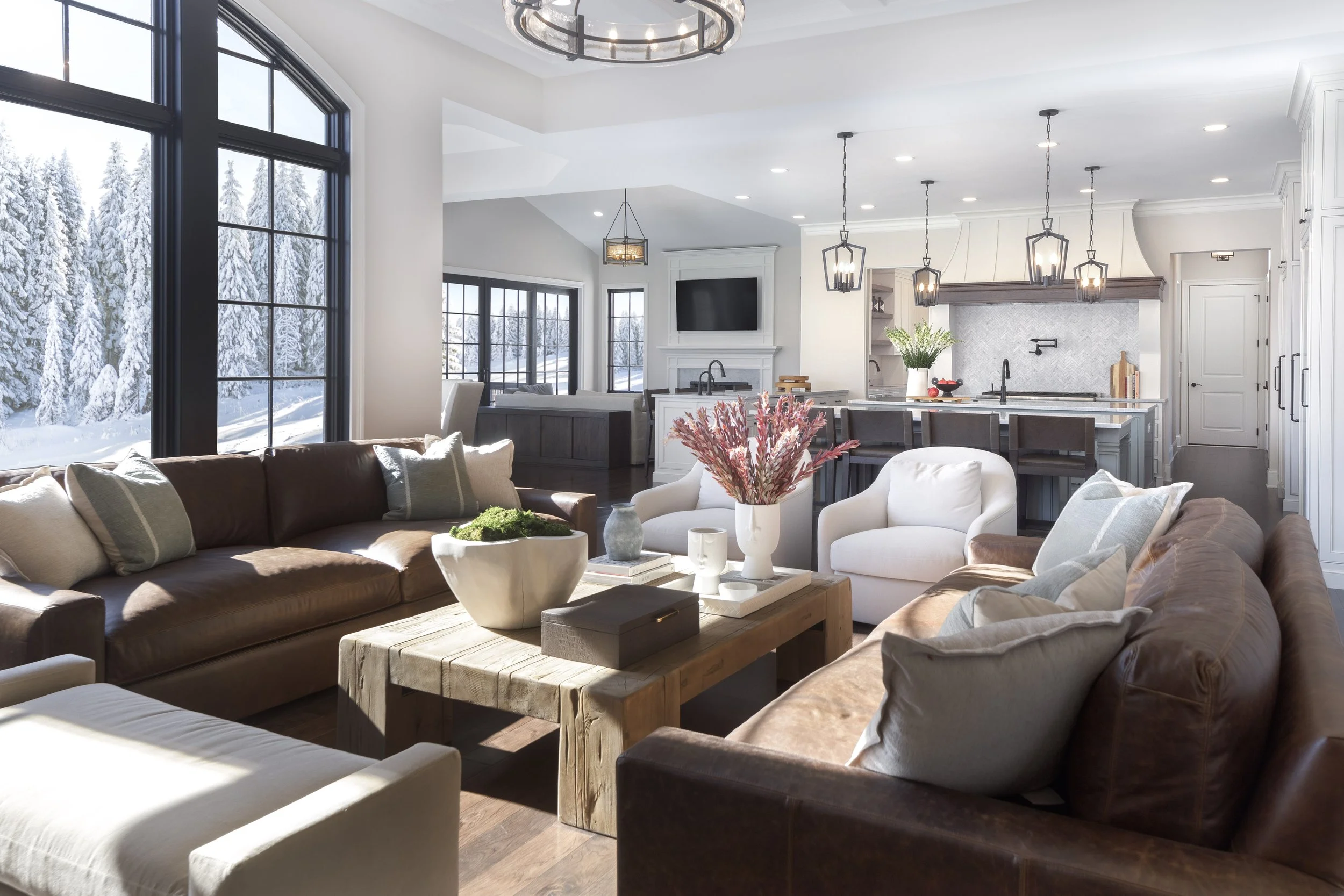
Custom cabinetry, architectural details, and natural materials come together in the kitchen of our Family Manor project.
Some architects offer interior architectural services, which can be incredibly valuable. But there’s an important distinction between designing the interior architecture and designing the complete interior experience.
“Architecture gives us the structure,” Kristen explains. “Our job is to think about how the client is actually going to live in that structure.”
That includes the furnishing plan, which is often the piece homeowners overlook when deciding who they need on their team.
What Does an Interior Designer Do During a Renovation?
At Ducy Design, our work does not stop when the plans are complete. In many ways, that is when the real collaboration begins.
During construction, our designers stay involved to ensure the design intent is properly documented and carried through to the finished space. This can include contractor walkthroughs, site visits, project status checks, and addressing the inevitable questions that arise as a project moves from the planning phase into construction.
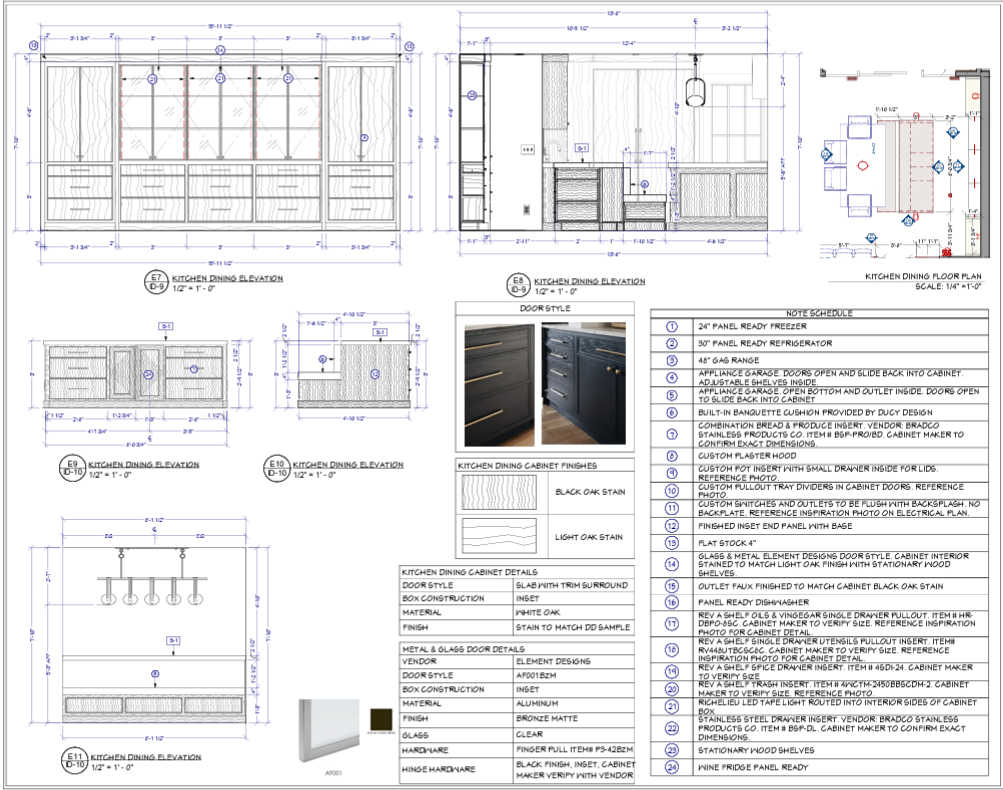
A look at Ducy Design's construction documentation, detailing the specifications and custom elements that guide the construction process.
A cabinet dimension needs clarification. A material has a lead-time issue. An unforeseen site condition requires an adjustment to the original plans. A contractor needs a decision before work can continue.
These are the moments when having our team involved really matters.
Because we understand the design from the inside out, we can evaluate these questions in the context of the entire project and make informed decisions without placing the responsibility on the homeowner.
Our goal is to keep the project moving forward while maintaining the design intent and ensuring the details are carried through to the finished space.
Can an Interior Designer Work With Your Contractor?
Absolutely. At Ducy Design, collaboration with the builder or contractor is an important part of how we manage a renovation.
Our designers work directly with the contractor throughout the project, creating a clear line of communication between the people responsible for the design and the people responsible for building it. That means questions can be addressed quickly, details can be clarified in the field and decisions don’t have to make their way through the homeowner first.
“The client shouldn’t have to be the messenger between their designer and contractor,” Kristen says. “Our job is to communicate, work through the details and keep things moving so the client can focus on enjoying the process.”
That direct relationship also creates accountability on both sides. Our team is there to protect the design intent and make sure important details don’t get lost during construction, while the contractor brings that vision to life in the field.
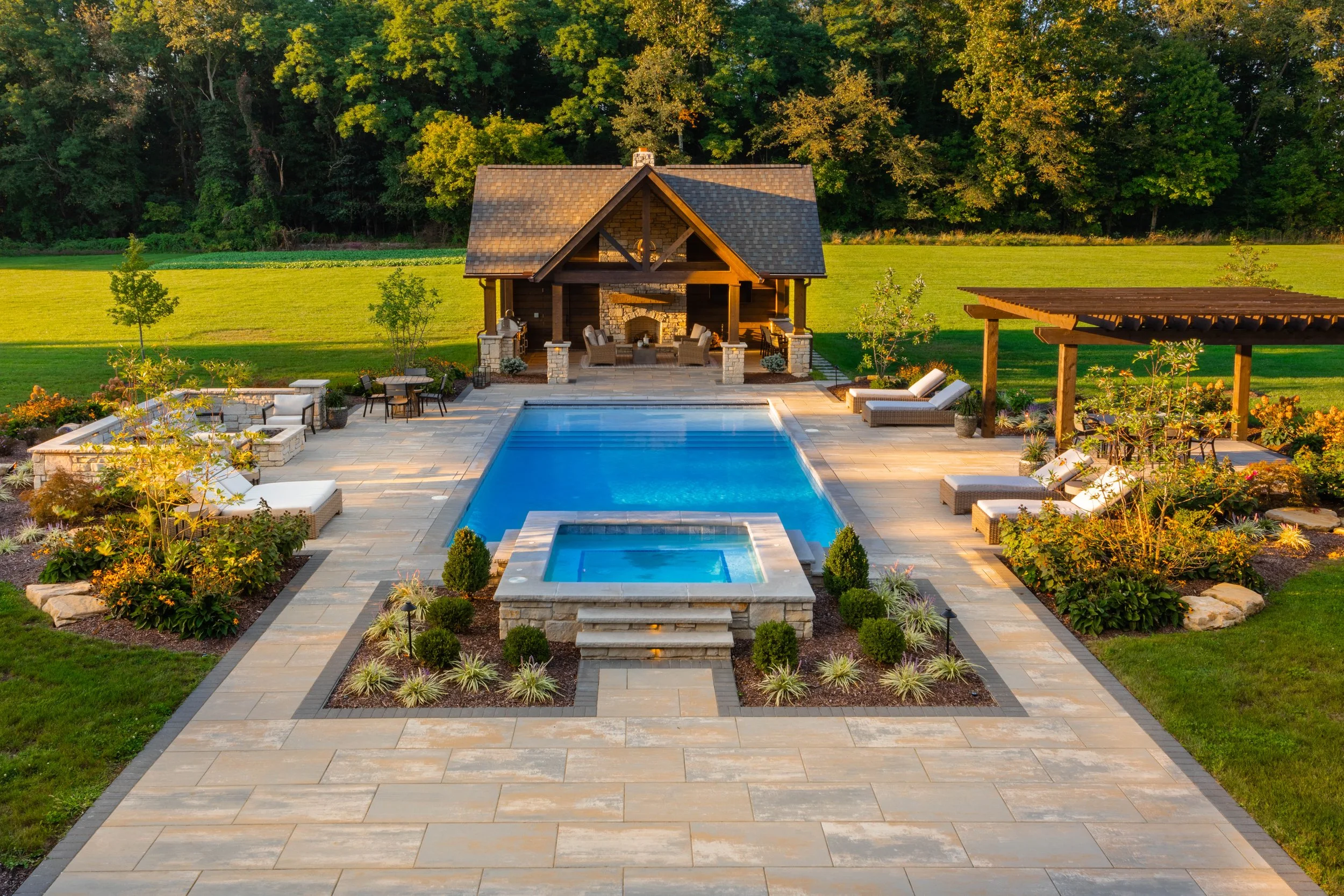
Our Outdoor Oasis project highlights the collaboration between design and construction, bringing together architectural details, material selections, and outdoor living spaces.
When the designer and contractor work well together, the homeowner gets something even more valuable than good communication: a team that’s working toward the same finished result.
When Does Ducy Design Join a Renovation?
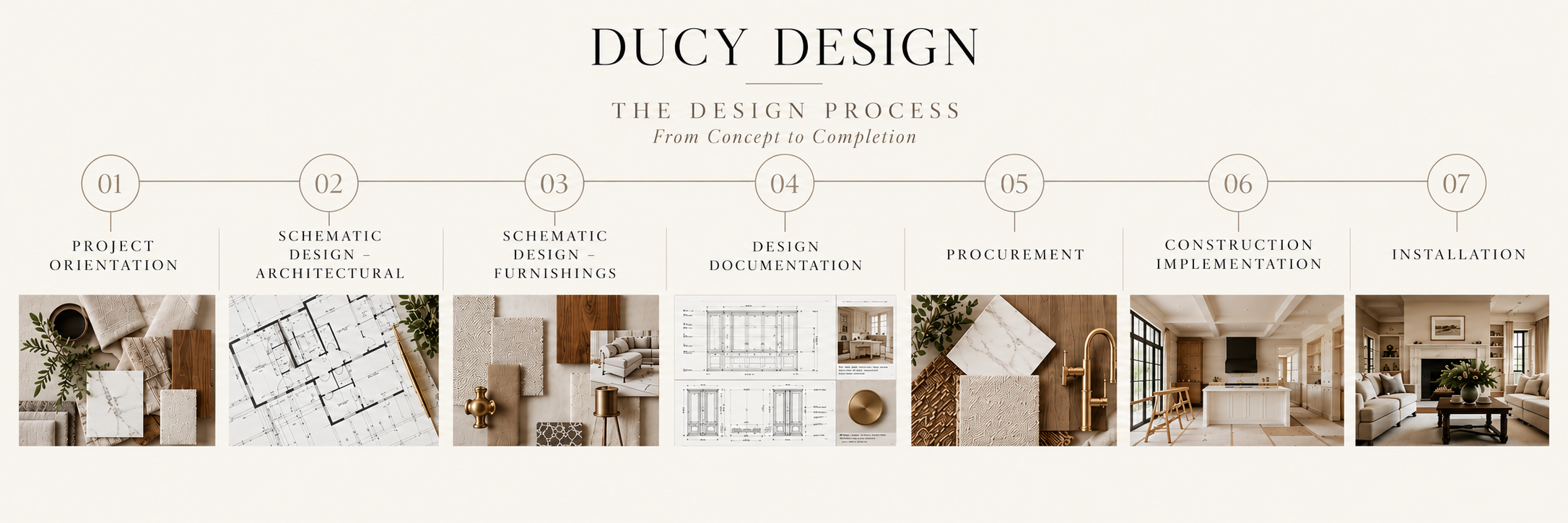
Our process begins well before construction. From the first conversation through final installation, each phase builds on the one before it to keep the design, budget, products, and construction details moving together.
Project Orientation
The process starts with understanding the project and the people who will live in the finished home. This phase includes the site measure, design questionnaire, review of inspiration images, as-built plans, project research, preliminary budgeting, and initial client meetings. It gives our team the information we need to understand your goals and begin developing the project.
Schematic Design – Architectural
For projects that include interior architectural planning, we begin developing preliminary floor plans and 3D renderings while researching products and materials. This is where the overall direction starts to take shape, with client presentations and meetings helping us refine the design.
Schematic Design – Furnishings
Furnishings are developed alongside the architectural design rather than saved for the end. Preliminary furniture plans, 3D renderings, product research, design presentations, and preliminary budgeting help us determine how the spaces will function and how the furnishings will work with the architecture.
Design Documentation
Once the design direction is established, we move into the details needed to bring it to life. This includes finish and fixture schedules, final renderings, interior construction documentation, contractor coordination, product selections, quotes, and ongoing project communication.
Procurement
With selections finalized, our team manages the purchasing process. We handle pricing, work orders, order execution, order status, and communication throughout the process so clients aren't left tracking dozens of individual pieces on their own.
Construction Implementation
During construction, we stay involved through contractor coordination, construction walkthroughs, and ongoing project communication. Being involved during this phase allows us to address questions as they arise and help ensure the design is carried out as intended.
Installation
The final phase brings everything together. Our team coordinates receiving, delivery, and product installation, managing the details that turn a collection of carefully selected pieces into a finished interior.
This process is particularly valuable for a whole home renovation, where decisions made early in the project can affect everything from the architectural details to the furnishings selected for the finished space. By developing those pieces together from the beginning, Ducy Design can create a home that feels cohesive, intentional, and complete.
Why Full-Service Interior Design Matters
A renovation is about much more than choosing finishes. It’s about making sure the architecture, materials, lighting, cabinetry, and furnishings work together. It’s about having someone who understands the big picture while still paying attention to the details that can make or break the finished space.
That’s the value of full-service interior design.
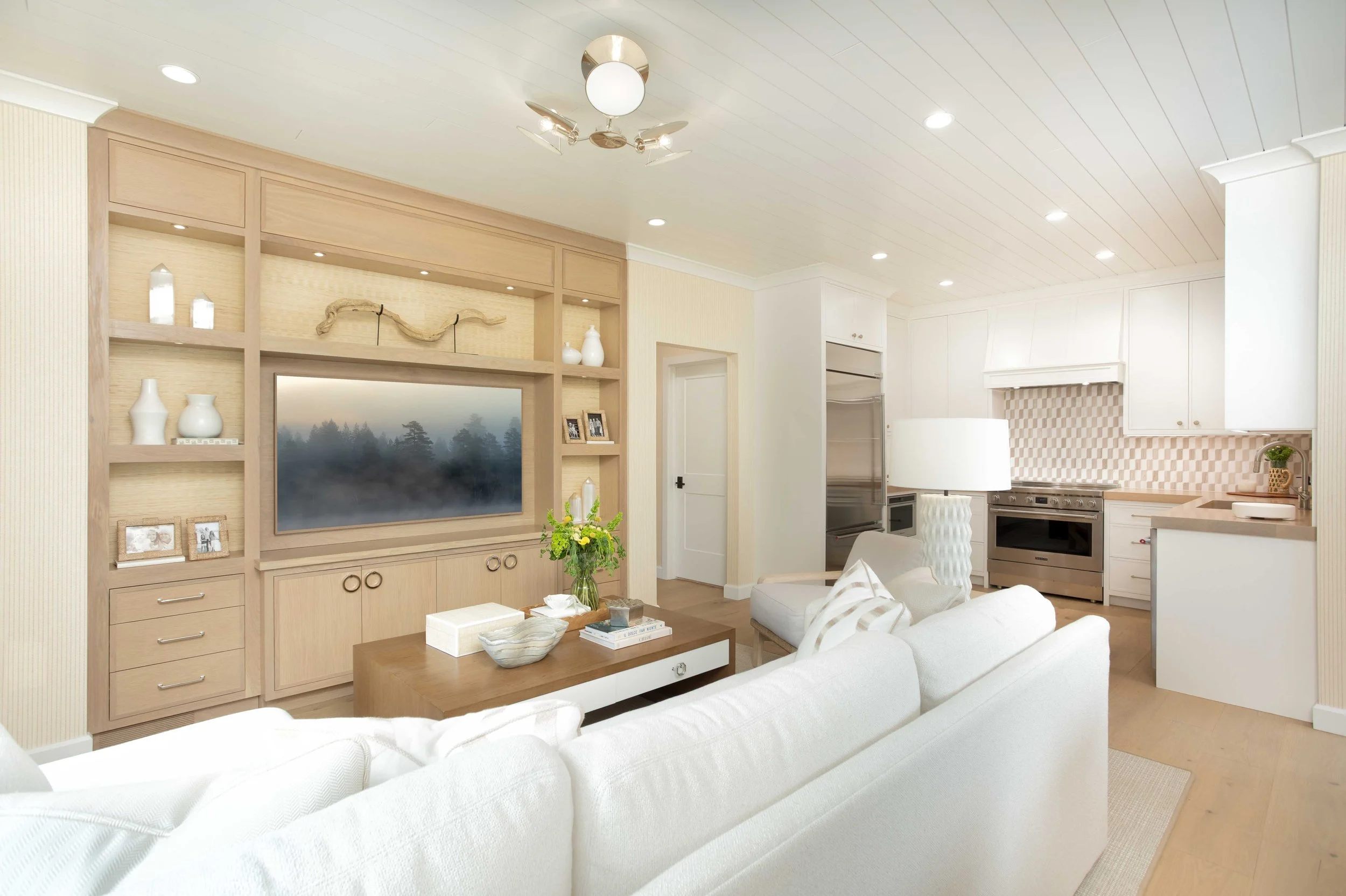
Custom cabinetry, natural materials, and architectural details come together in our Lakeside Carriage House project, showcasing the value of a comprehensive design process.
Ducy Design brings that perspective to projects ranging from substantial renovations to new construction, working alongside architects, builders, and contractors when needed and guiding the interior from concept through installation.
The goal isn’t simply to create a beautiful renovated house. It’s to create a home that feels considered from the moment you walk through the door.