
10 Questions to Ask Before Hiring an Interior Designer (and How We Answer Them)
When you are researching designers, the challenge is not finding someone whose work you admire. The challenge is figuring out which designer is actually built for your project, your expectations, and the way you want to be worked with.
These ten questions give you a framework for that evaluation. Below, we answer each one directly so you know exactly what to expect from Ducy Design before you ever schedule a call. Our practice is rooted in Cleveland and Northeast Ohio, and we work with clients nationally and internationally. These answers reflect how we approach every project, regardless of location.
1. Are you certified, and what do those certifications mean for my project?
We hold two industry-recognized certifications: NCIDQ and CKBD.
The NCIDQ certification is required in some states before a designer can legally carry the title of interior designer. It requires formal education and professional experience, and it demonstrates a working command of building codes, egress requirements, and ADA compliance. This technical foundation matters most in renovation and construction contexts, but it shapes the way we approach every project.
The CKBD certification is specific to kitchen and bath design and encompasses ergonomics, workflow, and storage efficiency. It requires a minimum of five years of full-time professional experience before a designer is eligible to sit for the exam.
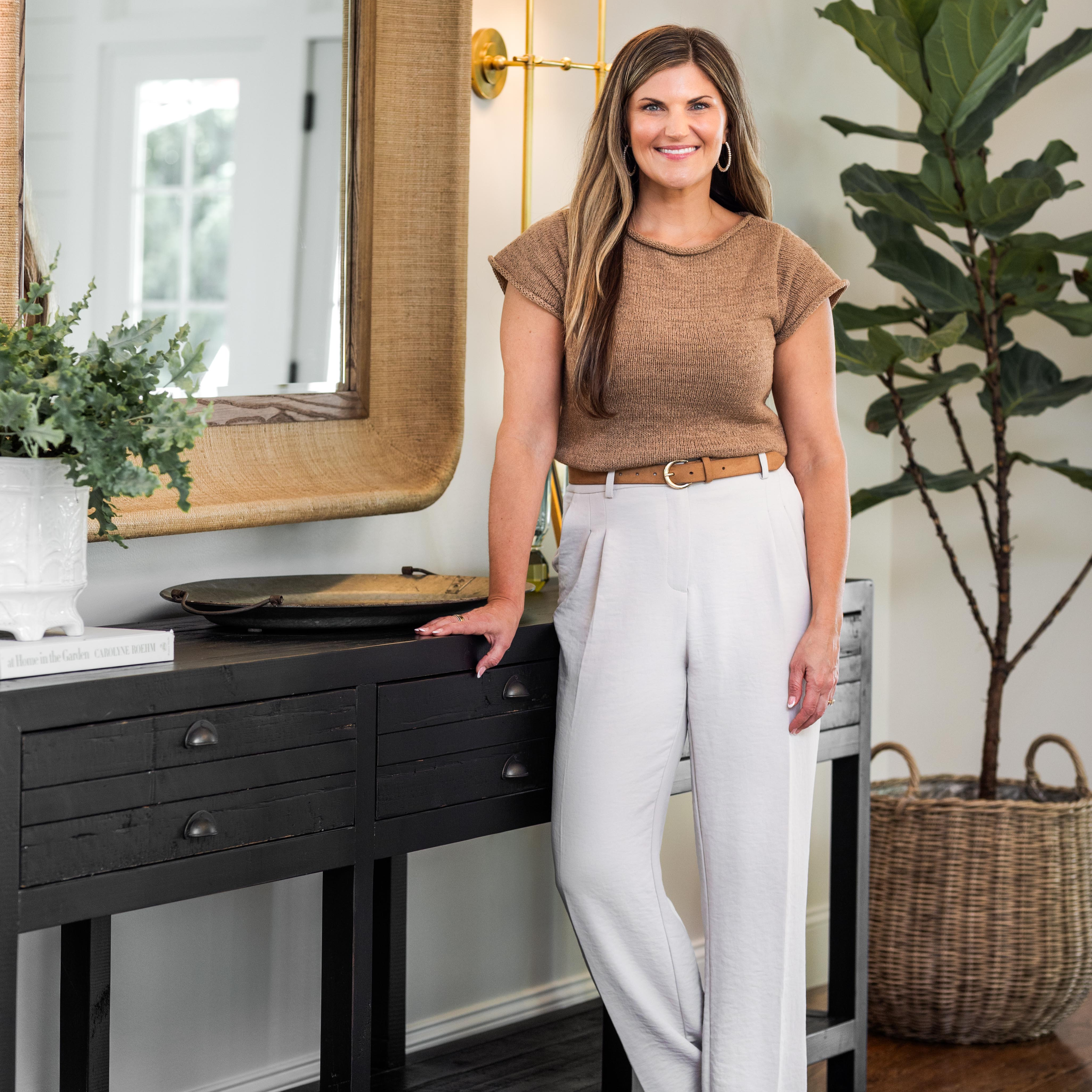
Together, these credentials mean the work we produce is not only visually considered. It is technically sound, code-aware, and designed to function correctly for the people living in it. You can learn more about Kristen's background and experience on our about page.
2. What does full-service mean?
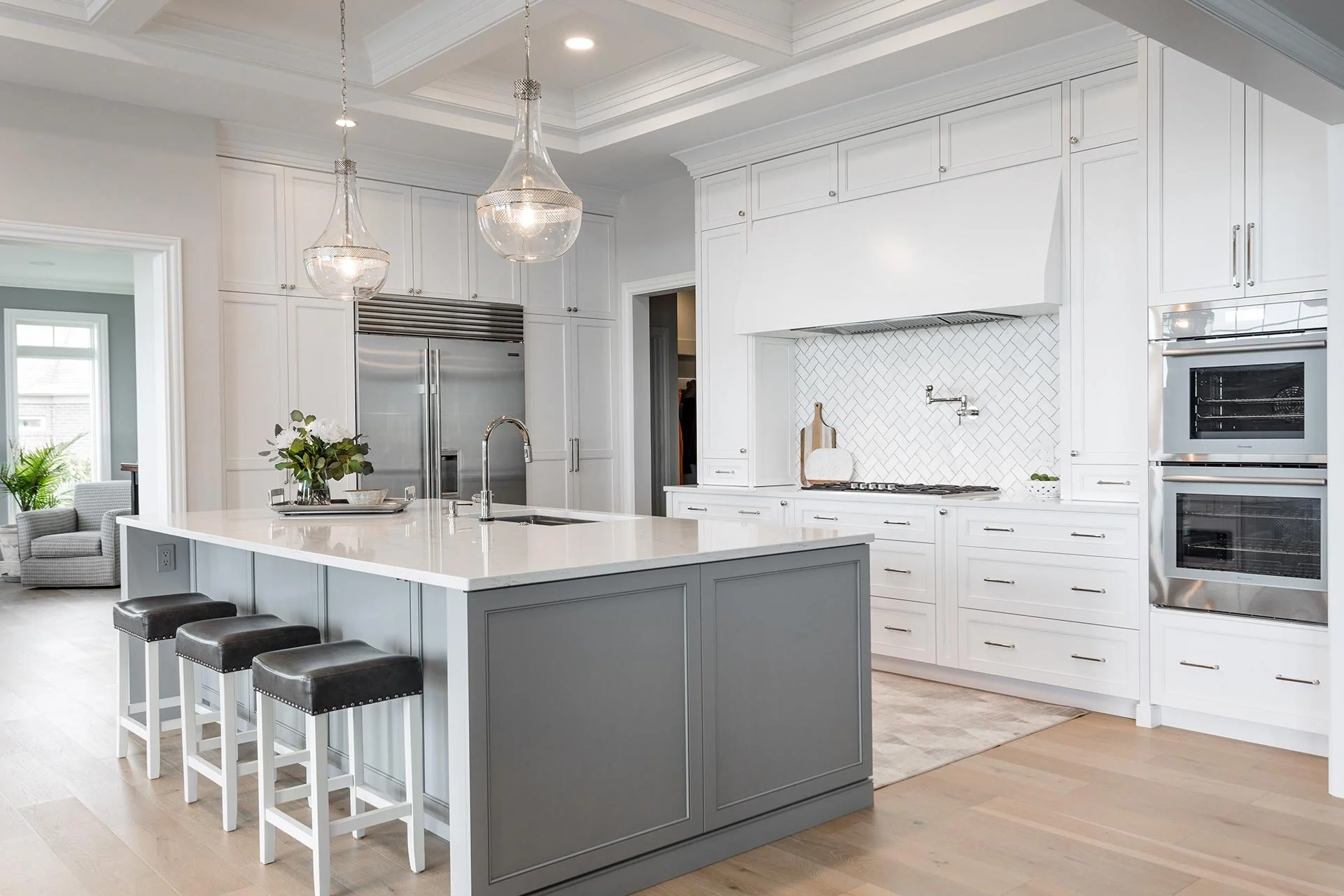
It means a completely turnkey experience. A client could be out of state for the entire project and walk into their finished home ready to live in it immediately. Beds are made. Cabinetry is organized. Every space is styled and complete.
Our process covers every phase from start to finish: project orientation, schematic design, construction documentation, procurement, construction coordination, project management, installation, and final accessorizing. If you want to see how each phase connects, you can walk through our full process here.
Because we handle both furnishings and interior architectural design, the result feels connected in a way that does not happen when those services are managed separately. When a furnishings designer and a renovation designer work independently, the spaces often show it.
3. How involved will I need to be?
Our clients are engaged participants early in the process and are largely able to step back once design decisions are finalized. Here is what each side is responsible for.
What the client handles: A completed design questionnaire with as much detail as possible, ten or more inspirational images per room, clear communication about how each space needs to function, any existing architectural plans, and availability for scheduled design review meetings.
What Ducy Design handles: All design development, curated scheme presentations, full renderings, sourcing, procurement, vendor management, contractor communication, construction coordination, and final installation.
Our goal is to eliminate the searching, the shopping, and the decision fatigue. You make the meaningful choices with expert guidance. We handle everything else.
4. How long does a project like mine take?
Timelines depend on scope. Here are realistic ranges by project type.
Kitchen renovation: Design phase of approximately 8–12 weeks, followed by a construction timeline of 8–16 weeks, depending on project scope and contractor scheduling.
Whole-home renovation: Design phase of approximately 10–32 weeks, with construction timelines ranging from 12 weeks to 2+ years depending on the size, complexity, and scope of the project.
New construction: Design documentation typically requires 16–32 weeks from project orientation. Construction timelines vary by builder and project size, but often range from 8 months to 2+ years for larger custom homes.
Whole-home furnishings: Design development, selections, and ordering typically require 8–16 weeks, followed by product lead times of approximately 8–20 weeks after orders are placed.
For larger projects that combine renovation and furnishings, a total timeline of one to two years is not uncommon. We share this at the outset because realistic expectations are the foundation of a project that stays on track.
5. Do you work with my contractor, or do you bring your own?
If you have a contractor you trust and enjoy working with, we are glad to work with them. What we ask for is open, respectful communication and an understanding that any change from the design plans needs to come to us before it happens, not after.
If you are still looking, we have a list of experienced builders we have worked with successfully and are happy to make introductions.
6. What if I already have furniture I want to keep?
If you have a few pieces that are meaningful or sentimental, we are glad to incorporate them when they work within the design. What does not work is a project where a client's primary goal is to use most of their existing furniture and add a few new items. Our process is built around designing a space as a whole. That is the only way to produce a result that is genuinely cohesive and elevated, and we would rather be honest about that upfront than take on work we cannot execute well.
7. What is your design aesthetic?
Our work is rooted in spaces that are sophisticated, functional, and built to be lived in. That tends to mean clean-lined, layered interiors with neutral foundational palettes and thoughtful use of color. Spaces that feel calm without feeling cold. Rooms that are considered without being excessive.
What our work is not: overly formal, trend-driven, builder-grade, or designed to make a statement for its own sake. We are not interested in spaces that look right for a season. We design homes that are still right ten years from now.
8. How do you handle disagreements or changes mid-project?
We lead every project with a clear estimate of timeline and investment, and we track our time internally to verify we are staying on course. If the scope expands, whether that means adding a mudroom that was not in the original plan or adjusting the design direction, we update the estimate and align on expectations before moving forward. No surprises.
When a problem is ours, we own it. If a product was ordered correctly based on the approved plans, but a construction change created an installation issue our team failed to catch, we absorb the cost of the correction. We do not pass that burden to our clients.
Clear communication, honest expectations, fair scope adjustments, and accountability when something goes wrong. That is how we protect our clients and protect the project.
9. Do you have testimonials I can read?
Client testimonials are featured throughout our website, including on our portfolio page and throughout the about section. If you would like to speak with a past client directly, that is a conversation we are open to having once we have connected.

10. How will hiring an interior designer improve my outcome?
This is the question that changes how people think about the investment, which is exactly why it belongs at the end of this list.
A well-designed home is cohesive. Every room connects to the next. The proportions are right. The materials hold up. The space works the way the people living in it need it to work. That does not happen by accumulation. It happens through a defined process, applied expertise, and someone accountable for the result from the first meeting to the final installation.
What a designer saves you is not just time. It is the cost of the mistakes you would not have known to avoid, the decisions that would have felt right in the moment and wrong within a year, and the disconnected rooms that never quite come together. The investment is significant. So is what it prevents.
Quick Reference: What to Ask & What We Say
If you are scanning before reaching out, here is a one-sentence version of each answer.
-
Yes. We hold NCIDQ and CKBD certifications, both requiring formal education and professional experience.
-
A completely turnkey experience, from schematic design through white-glove installation.
-
You are engaged early; once decisions are finalized, we handle everything.
-
Kitchen: 16-22 weeks total. Whole home: 22-32 weeks. Larger projects can span 1-2 years.
-
Yes, with open communication and advance notice of any plan changes.
-
A few meaningful pieces, yes. A project built around existing furniture is not a fit for full-service design.
-
Sophisticated, timeless, and functional. Not trend-driven or builder-grade.
-
With updated estimates and clear communication before proceeding. When a mistake is ours, we own it.
-
Yes, on our portfolio and about pages. We are also open to past-client introductions after an initial call.
-
It produces a cohesive, functional home and prevents the costly mistakes that accumulate without a defined process.
Ready to start the conversation?
See how Ducy Design answers every one of these questions in practice. When you are ready to begin, your next step is a complimentary 30-minute Discovery Call.